Clear Aligners vs Traditional Braces: Which is Better for Straightening Teeth?
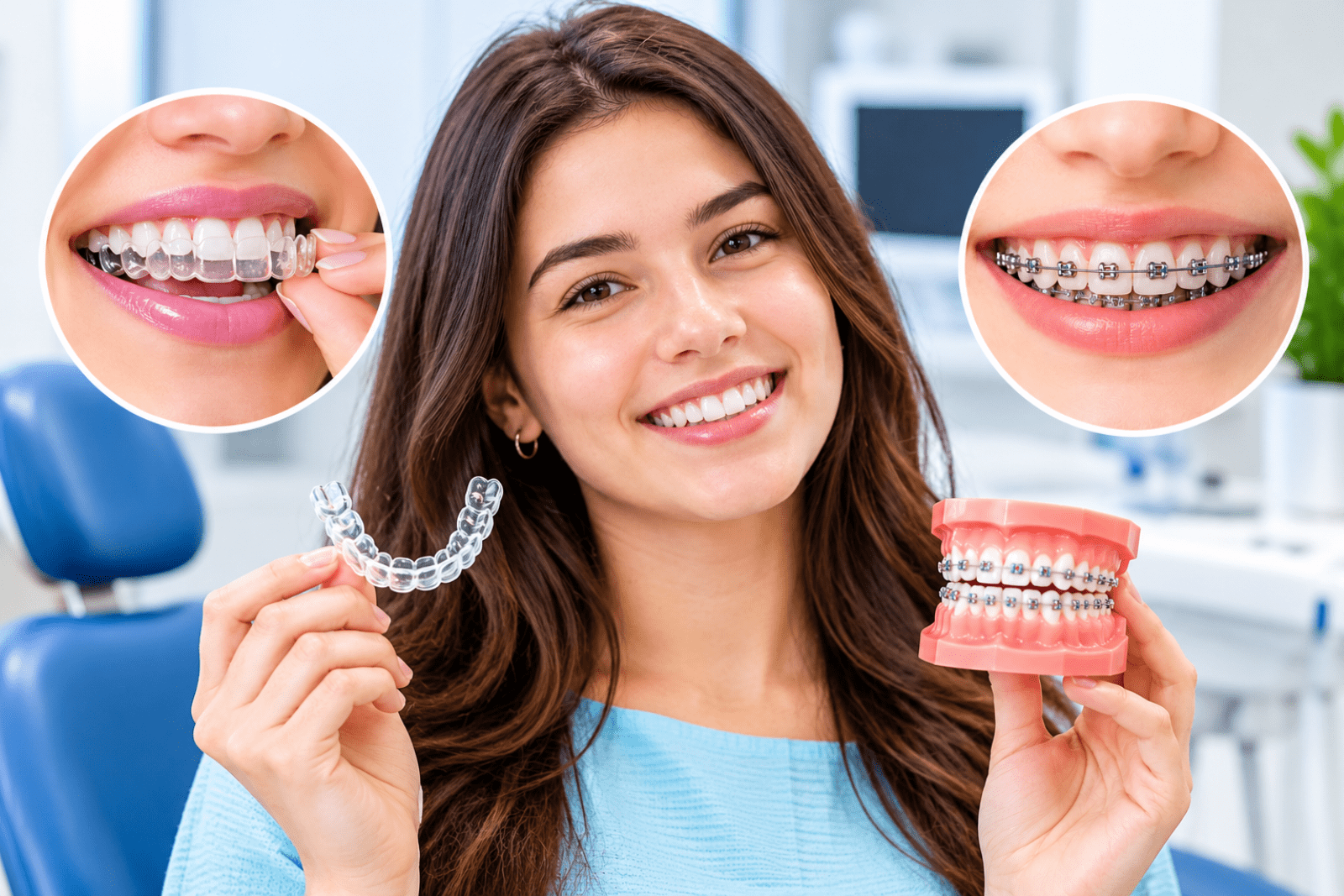

Having straight teeth can improve your smile, confidence, and overall dental health. However, choosing the right orthodontic treatment can sometimes be confusing. With several teeth straightening options available today, clear aligners and traditional braces are two popular choices for correcting misaligned teeth, closing gaps, and improving bite problems.
But when comparing clear aligners vs traditional braces, which option is better for your needs? Both treatments gradually move teeth into their desired positions, but they differ in appearance, comfort, maintenance, treatment duration, and suitability for different orthodontic concerns.
At Guildford Dental Centre, understanding these differences can help you make a more informed decision about your smile. In this guide, we compare clear aligners and traditional braces to help you understand their benefits, limitations, and what to consider before starting treatment.
Clear aligners are transparent, removable dental appliances designed to gradually move teeth into better positions. They are custom-made using digital scans or impressions of your teeth and are typically worn in a series, with each set applying gentle pressure to achieve planned tooth movements.
Unlike traditional metal braces, clear teeth aligners do not use brackets or wires. Their transparent appearance makes them less noticeable, which is one of the main reasons many adults and teenagers consider this treatment.
Clear aligner treatment generally involves wearing the aligners for around 20–22 hours per day, removing them only when eating, drinking anything other than water, brushing, and flossing. Patients change to their next set of aligners according to their dentist’s instructions.
Traditional braces are fixed orthodontic appliances that use metal brackets attached to the teeth and connected by wires. These components apply controlled pressure to gradually move teeth into their correct positions.
Traditional braces have been used in orthodontics for many years and can address various alignment and bite-related concerns. Unlike removable aligners, they remain attached to the teeth throughout treatment.
Your dentist or orthodontist periodically adjusts the wires to guide tooth movement and monitor treatment progress.
When comparing traditional braces vs clear aligners, it is important to understand how each treatment affects your daily routine and oral health.
Here are some important differences to consider before choosing an orthodontic treatment.
|
Comparison Factor |
Clear Aligners |
Traditional Braces |
|
Appearance |
Transparent and less noticeable |
Visible metal brackets and wires |
|
Removability |
Removable |
Fixed to the teeth |
|
Comfort |
Smooth plastic trays |
May cause irritation from brackets and wires |
|
Eating |
Removed during meals |
Some food restrictions apply |
|
Oral hygiene |
Easier to brush and floss |
Requires additional cleaning around brackets |
|
Compliance |
Requires consistent daily wear |
Works continuously |
|
Adjustments |
New aligners are provided according to the treatment schedule |
Periodic wire adjustments are required |
|
Suitability |
Many mild to moderate cases and selected complex cases |
Suitable for a wide range of orthodontic concerns |
Both options can help improve tooth alignment, but the right choice depends on your dental condition, treatment goals, lifestyle, and clinical assessment.
The time required for teeth straightening depends on the type of orthodontic treatment, the severity of misalignment, and the amount of tooth movement needed. Both clear aligners and traditional braces gradually move teeth into their desired positions, but treatment timelines can vary from person to person.
Clear aligners: Treatment may take around 6–18 months for many mild to moderate cases. Patients must wear their aligners for approximately 20–22 hours daily and change trays according to their dentist's instructions. Consistent wear helps keep treatment on schedule.
Traditional braces: Treatment commonly takes around 18–24 months, although some cases may require less or more time. Regular adjustment appointments help guide tooth movement and monitor progress throughout treatment.
Several factors can influence the treatment duration, including:
If you are considering teeth straightening options, a consultation at Guildford Dental Centre can help you understand the estimated treatment duration and identify an approach that suits your dental needs.
Comfort is an important consideration when choosing between clear aligners and braces.
Clear aligners are made from smooth plastic and are designed to fit closely over your teeth. They do not have metal brackets or wires, which may reduce irritation to the inside of your cheeks and lips. However, you may experience temporary pressure or soreness when switching to a new set.
Traditional braces can cause discomfort, particularly after initial placement or adjustment appointments. The brackets and wires may also rub against the cheeks and lips, although orthodontic wax can help reduce irritation.
Both treatments involve gradual tooth movement, so some pressure is normal. Your dentist can guide you on managing temporary discomfort during treatment.
Appearance is another major difference between these orthodontic treatment options.
Clear aligners are transparent and fit closely over your teeth, making them a discreet option for people who prefer not to have noticeable orthodontic appliances. They are often considered by working professionals, students, and adults who want to straighten their teeth without drawing attention to their treatment.
Metal braces use visible brackets and wires, making them easier to notice when talking or smiling. However, they remain a widely used option for patients who need fixed orthodontic treatment.
If appearance is your main concern, clear aligners may be worth considering. However, clinical suitability should always come before cosmetic preference.
Treatment duration varies depending on the complexity of your dental condition, the amount of tooth movement required, and how consistently you follow your treatment instructions.
Clear aligners: Some mild alignment concerns may be treated within several months, while more complex cases can take longer. Wearing aligners for the recommended daily hours is important for maintaining treatment progress.
Traditional braces: Treatment commonly takes around 18–24 months, although some cases may be shorter or longer depending on the required corrections.
Your dentist or orthodontist will assess your teeth and discuss an estimated treatment timeline before starting.
The cost of orthodontic treatment depends on several factors, including the complexity of your case, treatment duration, type of appliance, and the number of appointments required.
Traditional metal braces may be more affordable than some clear aligner systems. However, clear aligner costs vary depending on the brand, treatment requirements, and number of aligner sets needed.
When comparing costs, consider the overall treatment rather than choosing an option based only on its initial price. Ask your dental clinic about available payment arrangements, follow-up appointments, and any additional costs that may apply.
Clear aligners can be suitable for people who want to correct certain orthodontic concerns while maintaining a discreet appearance.
They may help address:
However, not everyone is suitable for removable aligner treatment. Some complex cases involving significant tooth movement or jaw alignment may require traditional braces or another orthodontic approach.
If you are considering ClearCorrect aligners in Guildford, a dental assessment can help determine whether this treatment is appropriate for your teeth and smile goals.
Traditional braces may be recommended for patients who need more extensive tooth movement or have complex alignment concerns.
They can be considered for:
Since traditional braces remain fixed throughout treatment, they can also be helpful for patients who may find it difficult to maintain the daily wearing routine required for clear aligners.
Your dentist or orthodontist can explain which treatment options are appropriate after examining your teeth and bite.
Good oral hygiene is essential during orthodontic treatment. Whether you choose clear aligners or traditional braces, keeping your teeth and gums healthy can help reduce the risk of dental problems.
Here are some useful tips:
If you experience tooth pain, swelling, or another unexpected dental problem during orthodontic treatment, arrange a dental assessment. For urgent concerns, an emergency dentist in Guildford can assess the problem and advise on appropriate care.
Maintaining overall oral health is important before and during teeth straightening treatment. In some situations, patients may need additional dental care alongside orthodontic treatment.
For example, untreated tooth decay, gum problems, or damaged teeth may need attention before orthodontic treatment begins.
Depending on your dental needs, General Dentistry services can help maintain healthy teeth and gums. Treatments such as root canal treatment may also be required when a tooth has an infected or damaged dental pulp.
Your dentist can assess your oral health and recommend the appropriate treatment sequence to help ensure your teeth are healthy throughout the orthodontic process.
Choosing between clear aligners and traditional braces involves more than comparing appearance and comfort. Your dental condition and treatment goals should guide the decision.
Consider these factors before choosing:
There is no single option that is best for everyone. The most suitable treatment is the one that addresses your orthodontic needs while fitting your lifestyle and oral health requirements.
Choosing the right dental clinic in Guildford is an important part of maintaining your oral health and exploring teeth straightening options.
At Guildford Dental Centre, patients can discuss their dental concerns and receive guidance based on their individual needs. Whether you are exploring orthodontic treatment options, looking to improve your smile, or need general dental care, a professional assessment can help you understand the available treatments.
If you are considering clear aligners or traditional braces, speak with the dental team about your concerns, expectations, and treatment goals. They can help you understand the options available and determine the next steps for your dental care.
Both clear aligners and traditional braces offer ways to improve tooth alignment and create a healthier-looking smile. Clear aligners provide a discreet and removable option, while traditional braces offer fixed treatment for a wide range of orthodontic concerns.
The right choice depends on your dental condition, lifestyle, budget, and treatment goals. Before making a decision, arrange a consultation to understand which teeth straightening option is suitable for you.
If you are exploring orthodontic treatment options, contact Guildford Dental Centre to discuss your dental concerns and take the next step towards a straighter, healthier smile.
Clear aligners may be suitable for people who prefer a discreet, removable treatment option. Traditional braces may be more appropriate for certain complex orthodontic cases. The right choice depends on your dental condition, treatment goals, and professional assessment.
Yes, clear aligners can correct many types of crooked teeth, including mild to moderate crowding, gaps, and certain bite concerns. However, their suitability depends on the complexity of the misalignment and the amount of tooth movement required.
Neither treatment is always faster. Treatment duration depends on the severity of the dental problem, the movements required, and patient compliance. Your dentist or orthodontist can provide an estimated timeline after assessing your teeth.
Yes, adults can use clear aligners to address various alignment concerns. They are a popular option for adults who prefer a less noticeable alternative to traditional braces. A dental assessment is necessary to determine suitability.
Clear aligners can cause temporary pressure or mild soreness, particularly when starting a new set. This sensation is generally associated with the gentle pressure used to move teeth into their planned positions.
Yes. Clear aligners are removable, so you can take them out before meals and enjoy your usual foods. You should brush your teeth before putting them back in and follow your dentist’s cleaning instructions.
Most clear aligner treatments require wearing the trays for approximately 20–22 hours per day. Your dentist will provide specific instructions based on your treatment plan. Consistent wear is important for achieving the expected results.
Clear aligners can treat some crowding cases, but severe crowding may require traditional braces or another orthodontic approach. A clinical examination helps determine which treatment can address the problem effectively.
ClearCorrect is a clear aligner system that uses removable transparent trays to move teeth gradually. Traditional braces use fixed brackets and wires to guide tooth movement. Both approaches can improve alignment, but their suitability depends on individual dental needs.
Look for a dental clinic that can assess your teeth, explain different orthodontic treatment options, and discuss the expected costs and treatment duration. A professional consultation can help you understand which approach may be suitable for your smile.