What to Do in a Dental Emergency: A Quick Guide for Perth Residents


Dental emergencies can happen unexpectedly, causing pain, discomfort, and concerns about your oral health. Whether you experience a severe toothache, a broken tooth, or sudden swelling, knowing how to respond can help prevent further complications and protect your teeth.
If you experience a sudden dental problem, contacting an emergency dentist in Perth or South Guildford for prompt assessment is important. Guildford Dental Centre helps patients understand their dental concerns and the appropriate treatment options for maintaining their oral health.
This guide explains common dental emergencies, the immediate steps you can take, and when to seek professional dental care.
A dental emergency is an oral health problem that requires prompt professional attention to relieve severe pain, control bleeding, treat infection, or prevent further damage to the teeth and gums.
Common dental emergencies include:
Recognising these symptoms early and arranging an appropriate dental assessment can help reduce the risk of complications.
A severe toothache can interfere with eating, sleeping, and everyday activities. Persistent pain may indicate tooth decay, an infection, a cracked tooth, or inflammation affecting the dental pulp.
While waiting to see a dentist, you can take the following steps:
Avoid placing aspirin directly against the tooth or gums, as this can damage the soft tissues. Home remedies should not replace professional dental treatment.
If the pain is severe, persistent, or accompanied by swelling, arrange urgent dental care. Difficulty breathing or swallowing, or rapidly spreading facial or neck swelling, requires emergency medical attention.
A knocked-out permanent tooth requires immediate attention. Acting quickly may improve the chances of saving the tooth, although successful treatment cannot be guaranteed.
Do not attempt to reinsert a baby tooth. Contact a dentist promptly for advice about any knocked-out tooth, particularly if the injury involves a child.
A broken or chipped tooth can result from a sports injury, an accident, a fall, or biting hard foods. The appropriate treatment depends on the extent of the damage and whether the inner part of the tooth has been affected.
Minor chips may be repaired using dental bonding, while more extensive damage may require a dental crown or another restorative procedure. In some cases, treatment may involve addressing damage to the tooth’s inner pulp.
For patients concerned about the appearance of damaged teeth, cosmetic dentistry treatments may include options such as dental bonding or other procedures, depending on the clinical assessment.
If a tooth breaks, rinse your mouth gently, save any broken fragments if possible, and avoid chewing on the affected side. Arrange a dental appointment promptly, especially if you experience pain, bleeding, or sensitivity.
Dental infections can develop when bacteria enter the inner tissues of a tooth or affect the surrounding gums. An untreated infection may lead to an abscess and can sometimes spread to nearby tissues.
Watch for symptoms such as:
Dental infections require professional assessment and treatment. Depending on the cause, treatment may involve draining an abscess, root canal treatment, or removing the affected tooth. Antibiotics may be necessary in certain situations but do not replace treatment of the underlying dental problem.
If you develop facial swelling with fever, seek urgent medical or dental assessment. Difficulty breathing or swallowing, or rapidly increasing swelling, requires emergency medical care.
Wisdom teeth can cause discomfort when they do not have enough space to emerge properly. Partially erupted or impacted wisdom teeth may trap food and bacteria, increasing the risk of gum inflammation and infection.
Common symptoms include:
Persistent wisdom tooth pain should be evaluated by a dentist to determine the underlying cause. Depending on the position of the tooth and the severity of the problem, treatment may involve cleaning the affected area, managing the infection, or extraction.
Patients experiencing these symptoms may require wisdom teeth treatment to address impacted teeth and related oral health problems.
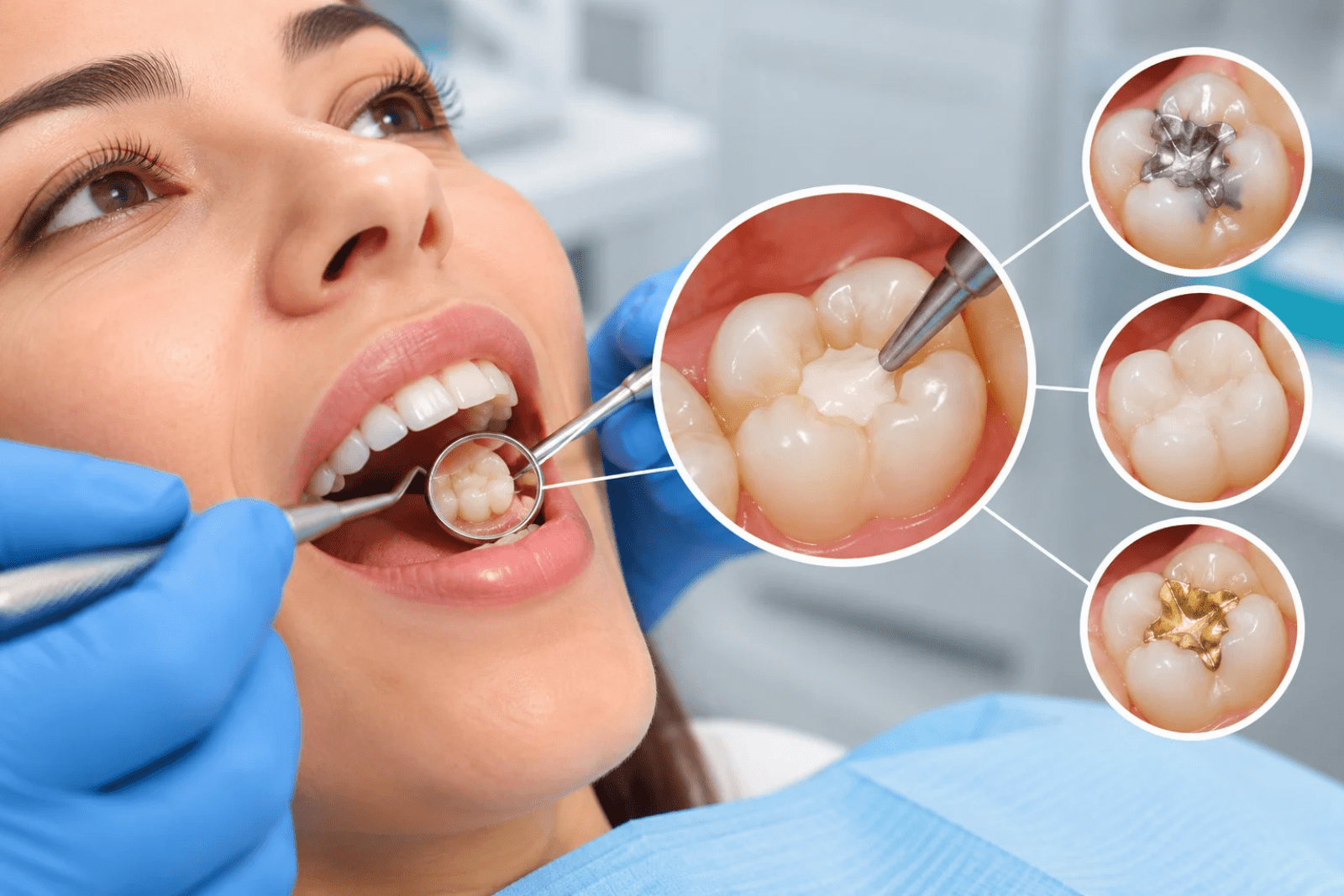
A lost filling or dental crown can leave a tooth exposed and vulnerable to sensitivity, discomfort, or further damage. Even if the tooth does not hurt, it is important to arrange a dental assessment.
A dentist can assess whether the restoration can be replaced or whether further treatment, such as a dental filling, is required to restore the tooth's structure and function. Seek urgent dental care if you experience severe pain, swelling, or signs of infection.
Although not every dental emergency can be prevented, maintaining good oral hygiene and protecting your teeth can reduce the risk of avoidable dental problems.
Follow these practical precautions:
Regular preventive dental care can help identify tooth decay, gum problems, and other concerns before they develop into more serious issues.
Sometimes a tooth becomes too damaged or infected to be saved. When this happens, a dentist can assess the available options and recommend an appropriate treatment based on your oral health, the condition of the surrounding teeth, and your individual needs.
Dental implants are one option for replacing missing teeth. They use a small implant placed in the jawbone to support a replacement tooth, helping restore chewing function and appearance. However, suitability depends on factors such as bone health, gum condition, medical history, and treatment requirements.
Patients considering tooth replacement can discuss dental implant treatment with their dentist to understand the procedure, potential benefits, risks, and alternatives.
Early assessment following tooth loss can help determine the most appropriate approach to restoring oral function.
Prompt dental assessment is important when you experience severe tooth pain, a knocked-out permanent tooth, a significant dental fracture, or suspected dental infection. Delaying treatment may increase discomfort and the risk of further complications.
Guildford Dental Centre can help patients understand their dental concerns and the appropriate next steps for treatment. If you need urgent dental attention, contact the clinic to discuss your symptoms and appointment availability.
Book a dental appointment with Guildford Dental Centre to discuss your dental concerns and arrange an assessment.
If you have difficulty breathing or swallowing, uncontrolled bleeding, or rapidly spreading facial swelling, seek emergency medical care rather than waiting for a routine dental appointment.
Responding promptly to a dental emergency can help protect your teeth and reduce the risk of complications. From severe toothache and broken teeth to dental infections and wisdom tooth pain, timely assessment can help determine the appropriate treatment.
Guildford Dental Centre encourages patients experiencing dental concerns to seek professional dental care rather than relying solely on home remedies. For appointment enquiries, call 08 6104 0370 or book a dental appointment online.
You should contact a dentist if tooth pain is severe, persistent, or accompanied by swelling, fever, or pain when biting. Sudden or worsening symptoms may require urgent assessment rather than waiting for a routine check-up.
A knocked-out permanent tooth may be saved if appropriate care is provided quickly. Handle the tooth by its crown, keep it moist, and seek immediate dental attention. Do not reinsert a baby tooth.
Most dental problems are managed by a dentist. However, difficulty breathing or swallowing, rapidly spreading facial swelling, severe facial trauma, or uncontrolled bleeding may require immediate hospital or emergency medical care.
Rinse your mouth gently with water, save any broken fragments, and avoid chewing on the damaged tooth. Contact a dentist promptly, particularly if you have severe pain, bleeding, or sensitivity.
Brush twice daily with fluoride toothpaste, clean between your teeth, attend regular dental check-ups, and wear a mouthguard during contact sports. Seeking early treatment for tooth pain and damaged restorations can also help prevent complications.
A dental infection generally requires professional treatment to address its underlying cause. Pain may temporarily improve, but the infection can persist or spread. Seek urgent dental assessment if you suspect an abscess or notice swelling.