The Complete Guide to Pain-Free Recovery After Wisdom Teeth Extraction
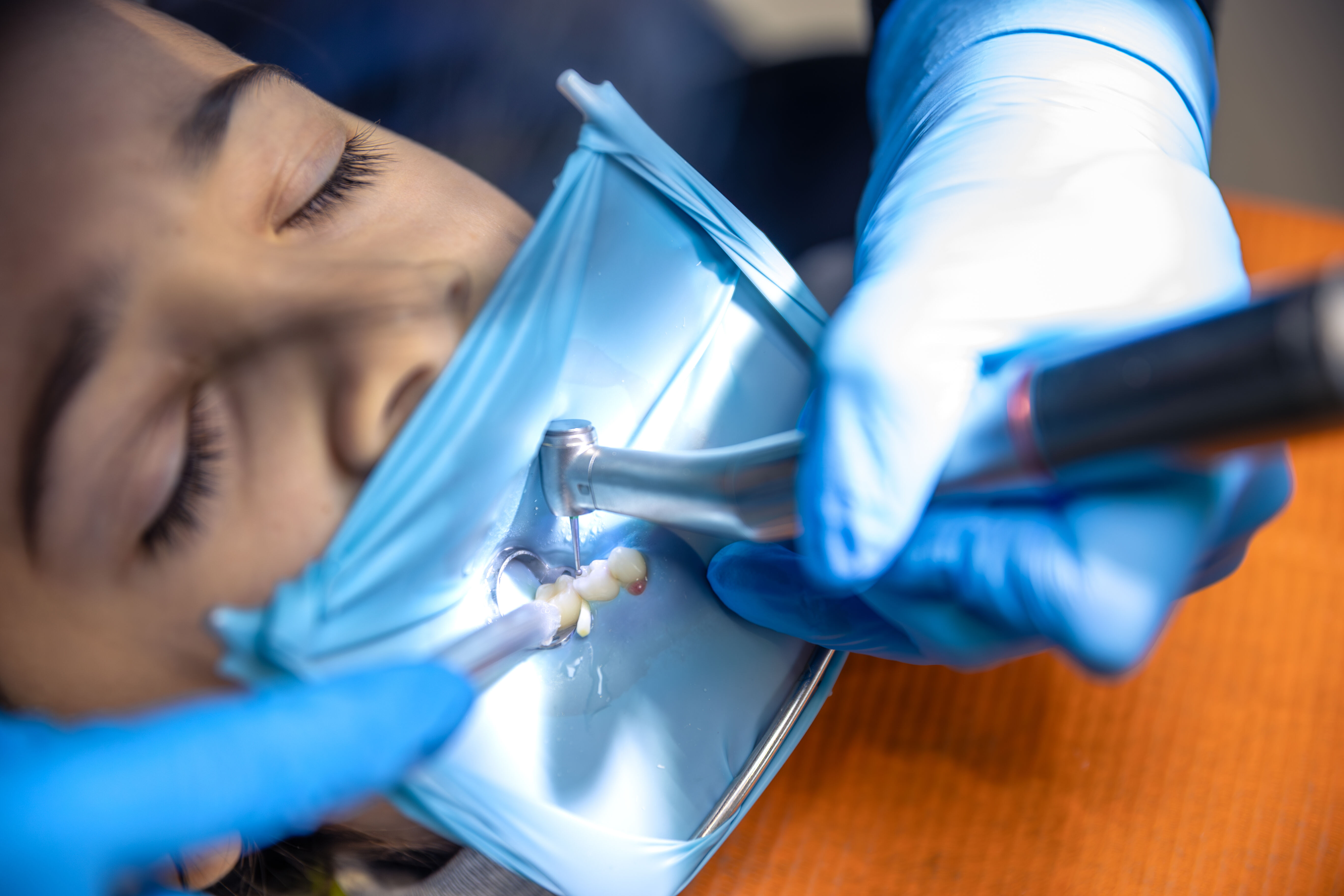

Wisdom teeth extraction is a common dental procedure that many individuals undergo to prevent pain, infection, and long-term oral health issues. Whether you are preparing for wisdom teeth removal or have recently completed the procedure, understanding the recovery process is essential for a smooth and pain-free healing experience.
We focus on delivering a comprehensive, actionable recovery guide that ensures comfort, minimizes complications, and accelerates healing. From managing discomfort to choosing the right foods, every step plays a crucial role in achieving optimal results after wisdom teeth extraction.
Wisdom teeth extraction refers to the surgical removal of the third molars, which are located at the back of the mouth. These teeth often emerge in late adolescence or early adulthood and can cause complications if there is insufficient space in the jaw.
We recommend wisdom teeth removal when:
Patients seeking wisdom teeth removal in Guildford often present with these symptoms and benefit significantly from early intervention.
After wisdom teeth removal, patients may experience swelling, mild pain, and limited jaw movement. These symptoms are normal and typically improve within a few days with proper care and medication.
After wisdom teeth extraction, it is normal to experience:
Normal symptoms include:
Concerning signs include:
Monitoring symptoms carefully ensures timely action if complications arise, supporting a smooth and predictable healing process.
Pain-free recovery depends on proper aftercare, including medication, diet, and hygiene. Following professional advice helps reduce swelling, prevent complications, and speed up the healing process effectively.
We emphasize strict adherence to post-operative guidelines. Proper aftercare reduces the risk of complications and ensures faster healing after wisdom teeth removal.
Your diet directly impacts recovery.
Recommended foods:
Foods to avoid:
Drinking fluids is essential, but using straws can dislodge the blood clot, leading to dry socket, a painful complication.
Eating the right foods after wisdom teeth removal is crucial for healing. Soft, nutrient-rich foods support recovery, while hard or spicy foods can irritate the surgical area and delay healing.
We recommend soft, nutrient-dense foods that support healing:
These foods provide essential nutrients without irritating the surgical site.
Avoid anything that may cause irritation or disrupt healing:
Complications after wisdom teeth extraction can include dry socket, infection, or prolonged bleeding.
Occurs when the blood clot is dislodged, exposing bone and nerves. This leads to severe pain and delayed healing.
Symptoms include:
Minor bleeding is normal, but prolonged bleeding requires immediate attention.
If you experience severe discomfort or unusual symptoms, consult a professional immediately. Patients visiting an emergency dentist in Guildford often do so due to a delayed response to these warning signs.
Recovery after wisdom teeth extraction typically takes one to three weeks, depending on the individual. Healing speed varies based on age, health, and the complexity of the procedure performed.
Simple lifestyle adjustments significantly improve healing time and reduce the risk of complications after surgery.
Patients undergoing wisdom teeth removal in High Wycombe often benefit from structured recovery plans that prioritize rest and hygiene.
Interesting Read: Wisdom tooth symptoms and solutions
Seek professional care if you notice:
A visit to a trusted dental clinic in Guildford ensures timely intervention and prevents complications.
A smooth and pain-free recovery after wisdom teeth extraction depends entirely on proper care, informed decisions, and timely action. By following essential guidelines, managing pain effectively, and maintaining oral hygiene, we ensure faster healing and minimal complications.
Whether you are planning wisdom teeth removal in Guildford or recovering from the procedure, prioritizing aftercare is the key to long-term oral health.
Book your consultation today at Guildford Dental Centre and take the first step toward a comfortable and complication-free recovery.
The procedure itself is painless due to anesthesia. Mild discomfort occurs during recovery but is manageable.
We recommend at least 48–72 hours of rest for optimal healing.
Yes, but avoid the extraction site for the first few days.
Following aftercare instructions, maintaining hygiene, and eating soft foods promote faster recovery.
Typically, after one week, depending on healing progress.
Yes, swelling is expected and usually subsides within 3 days.
Yes, once healed, procedures like teeth whitening treatment can be safely considered.