Dental Fillings in Guildford: When Do You Need One and What Are the Options?
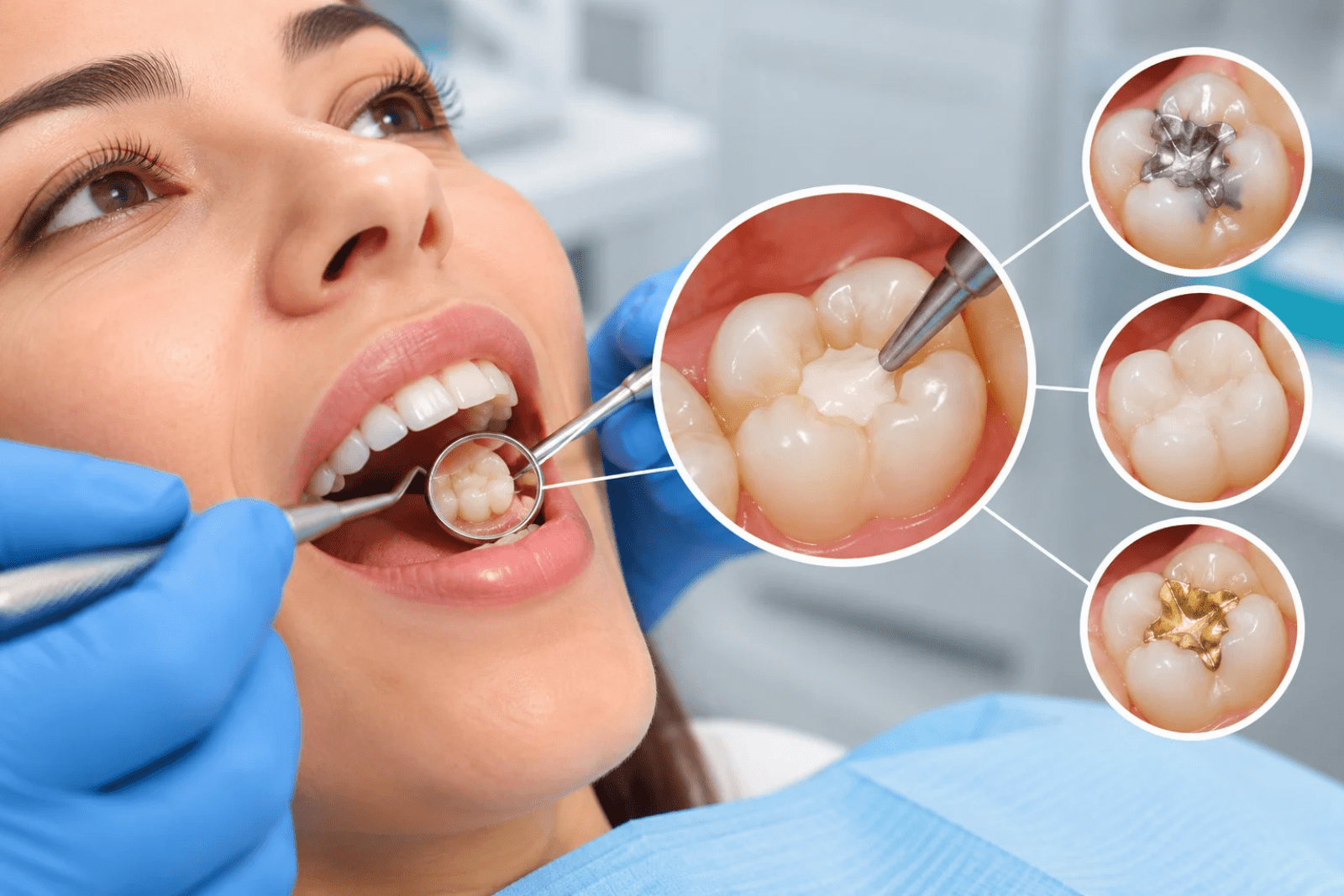

Tooth decay is one of the most common dental problems, affecting people of all ages. Fortunately, dental fillings can help repair teeth damaged by cavities, restore their function, and prevent further decay when treated early.
If you experience tooth sensitivity, discomfort when chewing, or visible changes to a tooth, a dentist in South Guildford can examine your teeth and determine whether a filling is necessary. Early treatment can help stop a small cavity from progressing and reduce the risk of further tooth damage.
In this guide from Guildford Dental Centre, we explain when you may need a dental filling, the different types of filling materials available, what to expect during the procedure, and how to prevent tooth decay. If you are looking for dental fillings in Guildford, our team can help you understand your treatment options and maintain your oral health
You may need a dental filling if you have:
A dental examination can help identify cavities and determine the most suitable treatment. Although early enamel changes may sometimes be managed without a filling, cavities that have progressed into the tooth structure commonly require restorative treatment.
Cavities develop when bacteria in dental plaque produce acids that gradually weaken and damage tooth enamel. Over time, this process can create holes in the teeth that may require dental fillings.
Several factors can increase your risk of tooth decay, including:
If left untreated, tooth decay can progress deeper into the tooth and potentially cause infection, severe pain, or tooth loss. Regular dental check-ups help your dentist identify potential problems and recommend appropriate treatment.
Not every cavity causes noticeable symptoms in its early stages. However, recognising possible warning signs can help you seek treatment before the damage becomes more extensive.
Sensitivity when eating or drinking something hot, cold, or sweet may indicate tooth decay or other dental problems. If the discomfort occurs repeatedly in the same tooth, arrange a dental examination to identify the cause.
Small holes, pits, or brown and black spots on your teeth may indicate tooth decay. However, discolouration can have other causes, so a dentist should assess the affected tooth before recommending treatment.
Discomfort when biting down may indicate a cavity, a crack, or another dental issue. A dentist can examine the tooth and determine whether a filling or a different restoration is appropriate.
A toothache can indicate that decay has progressed or that the tooth has another underlying problem. If you experience severe, persistent, or worsening pain, seek prompt dental care. Our emergency dentistry services can help you understand when urgent dental attention may be necessary and what treatment options may be appropriate.
The most suitable dental filling depends on the extent of the decay, the tooth’s location, your oral health, and the appearance and durability you want from your restoration.
Here are some common filling materials your dentist may discuss with you.
Composite fillings are made from a tooth-coloured resin material designed to blend with the natural appearance of your teeth. They are commonly used to repair cavities in both front and back teeth, depending on the clinical situation.
Benefits of composite fillings include:
Composite fillings are a popular option for patients who want a restoration that is less noticeable when smiling or speaking.
Ceramic restorations, including porcelain inlays and onlays, can be used to repair teeth with more extensive damage when a standard filling may not provide sufficient support.
Potential benefits include:
These restorations may require more preparation than a conventional filling. Your dentist can explain whether a ceramic restoration or another treatment is appropriate for your tooth.
Glass ionomer fillings are made from a material that releases fluoride. They may be suitable for certain cavities, areas near the gumline, children’s teeth, or situations where a temporary or intermediate restoration is appropriate.
Potential benefits include:
Glass ionomer materials are generally less wear-resistant than composite materials, so their suitability depends on the tooth’s location and the amount of chewing pressure it experiences.
There is no single filling material that is best for every patient. Your dentist will consider the size and location of the cavity, the condition of the remaining tooth, your bite, and your aesthetic preferences before recommending a restoration.
A dental examination is the best way to understand your treatment options and their expected benefits and limitations.
Getting a dental filling is generally a straightforward procedure that can often be completed in one appointment. The exact process depends on the extent of the decay and the type of filling required.
Your dentist examines the affected tooth and may recommend dental X-rays when necessary to assess decay that is not visible during a clinical examination.
If required, local anaesthesia is used to numb the tooth and surrounding area to help keep you comfortable during treatment.
The dentist removes the decayed portion of the tooth while preserving as much healthy tooth structure as possible.
The prepared area is cleaned and shaped to receive the selected filling material.
The filling material is placed into the prepared tooth. Composite fillings are generally applied in layers and hardened using a special curing light.
The dentist shapes and polishes the restoration, then checks your bite to ensure the filling feels comfortable when you close your teeth together.
After treatment, you may experience temporary sensitivity. Follow your dentist’s instructions and contact the clinic if you experience persistent pain, significant discomfort, or a filling that feels too high when biting.
Although dental fillings effectively restore teeth affected by decay, preventing cavities in the first place is preferable whenever possible.
You can help protect your teeth by following these habits:
Regular dental visits are particularly important because cavities can develop without pain or obvious symptoms. Early detection may help you avoid more extensive treatment.
A small cavity may initially affect only the outer layers of a tooth. However, as decay progresses, it can reach the inner pulp, where the tooth’s nerves and blood vessels are located.
Depending on the extent of the damage, treatment may involve more than a conventional filling.
If a tooth has extensive decay or has become significantly weakened, a dental crown treatment may be recommended to cover and protect the remaining tooth structure.
If decay reaches the pulp and causes irreversible inflammation or infection, root canal treatment may be necessary to address the problem and help preserve the tooth. A filling or crown may then be needed to restore the treated tooth.
If a tooth cannot be saved and requires tooth extraction, your dentist can discuss suitable tooth replacement options. Depending on your oral health and individual needs, dental implants may be recommended to replace missing teeth, restore chewing function, and improve your smile.
The appropriate treatment depends on the condition of the tooth, the extent of the damage, and your overall oral health.
If a tooth cannot be saved and requires extraction, your dentist can discuss suitable tooth replacement options. Depending on your oral health and individual needs, dental implants may be recommended to replace missing teeth, restore chewing function, and improve your smile.
Your dentist can help distinguish between treatments intended to restore damaged teeth and cosmetic procedures designed to improve the appearance of an otherwise healthy smile.
You should arrange a dental appointment if you notice tooth sensitivity, visible cavities, pain when chewing, or changes in the appearance of a tooth. Even if you do not have symptoms, regular dental examinations can help identify problems before they become more complicated.
If you are looking for dental fillings in Guildford, a dental professional can assess your oral health, explain the available restorative options, and recommend a treatment plan tailored to your needs.
Do not wait for a cavity to become painful before seeking advice. Early assessment can help you understand the extent of the damage and the most appropriate next steps.
Dental fillings can help restore teeth affected by cavities and prevent further damage when treatment is provided at the appropriate time.
If you are experiencing tooth sensitivity, suspect a cavity, or want to understand your restorative options, arrange a dental examination to discuss your needs with a dental professional.
Book your dental appointment today to get your teeth checked and receive the right treatment for your dental needs, or call 08 6104 0370 to book your visit.
Dental fillings are generally well tolerated. Local anaesthesia can be used to numb the affected area during treatment. You may experience mild sensitivity afterwards, which usually improves over time.
The lifespan of a dental filling depends on the material used, the size and location of the restoration, your bite, and your oral hygiene habits. Some fillings last many years, but all restorations require regular monitoring and may eventually need repair or replacement.
Very early tooth decay that has not yet formed a cavity may sometimes be managed or remineralised with fluoride and appropriate preventive care. However, a cavity that has formed a hole in the tooth generally cannot repair itself and commonly requires a filling or another restorative treatment.
Possible signs include tooth sensitivity, visible pits or holes, discolouration, and pain when chewing. However, many cavities have no obvious symptoms. A dental examination, sometimes supported by X-rays, can help identify tooth decay.
Tooth-coloured composite fillings offer an aesthetic advantage because they blend with natural teeth. Other filling materials may offer different benefits depending on the clinical situation. Your dentist can help you compare suitable materials based on durability, appearance, cost, and the tooth being treated.
This depends on the filling material, whether local anaesthesia was used, and your dentist’s instructions. Composite fillings harden during treatment, but you should avoid chewing while your mouth is numb to prevent accidentally biting your cheek or tongue. Follow the specific advice provided by your dentist.
Seek prompt dental care if you develop severe or worsening tooth pain, swelling, fever, or signs of infection. Facial swelling that affects breathing or swallowing requires immediate emergency medical attention.